
Our
Products
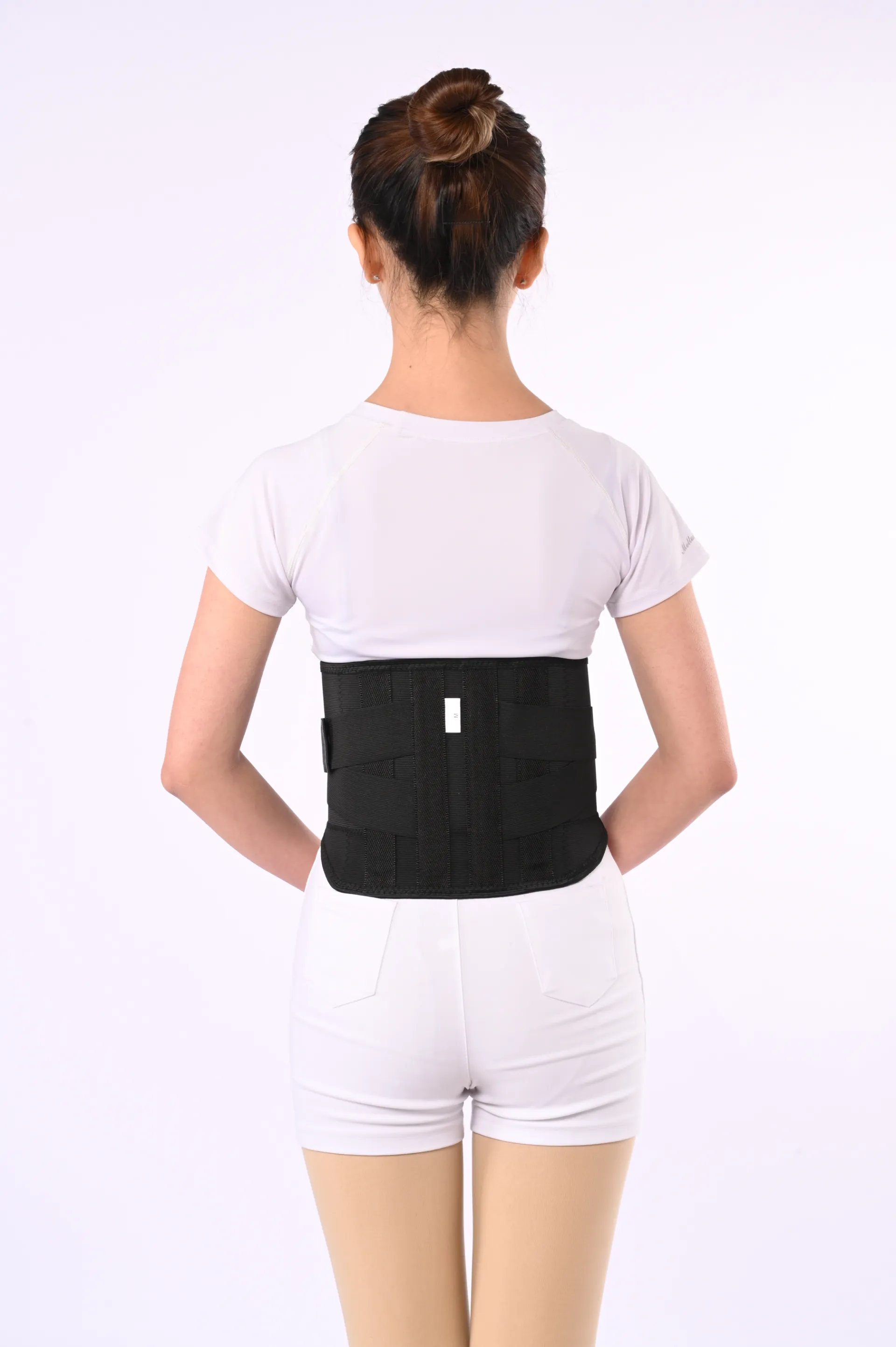
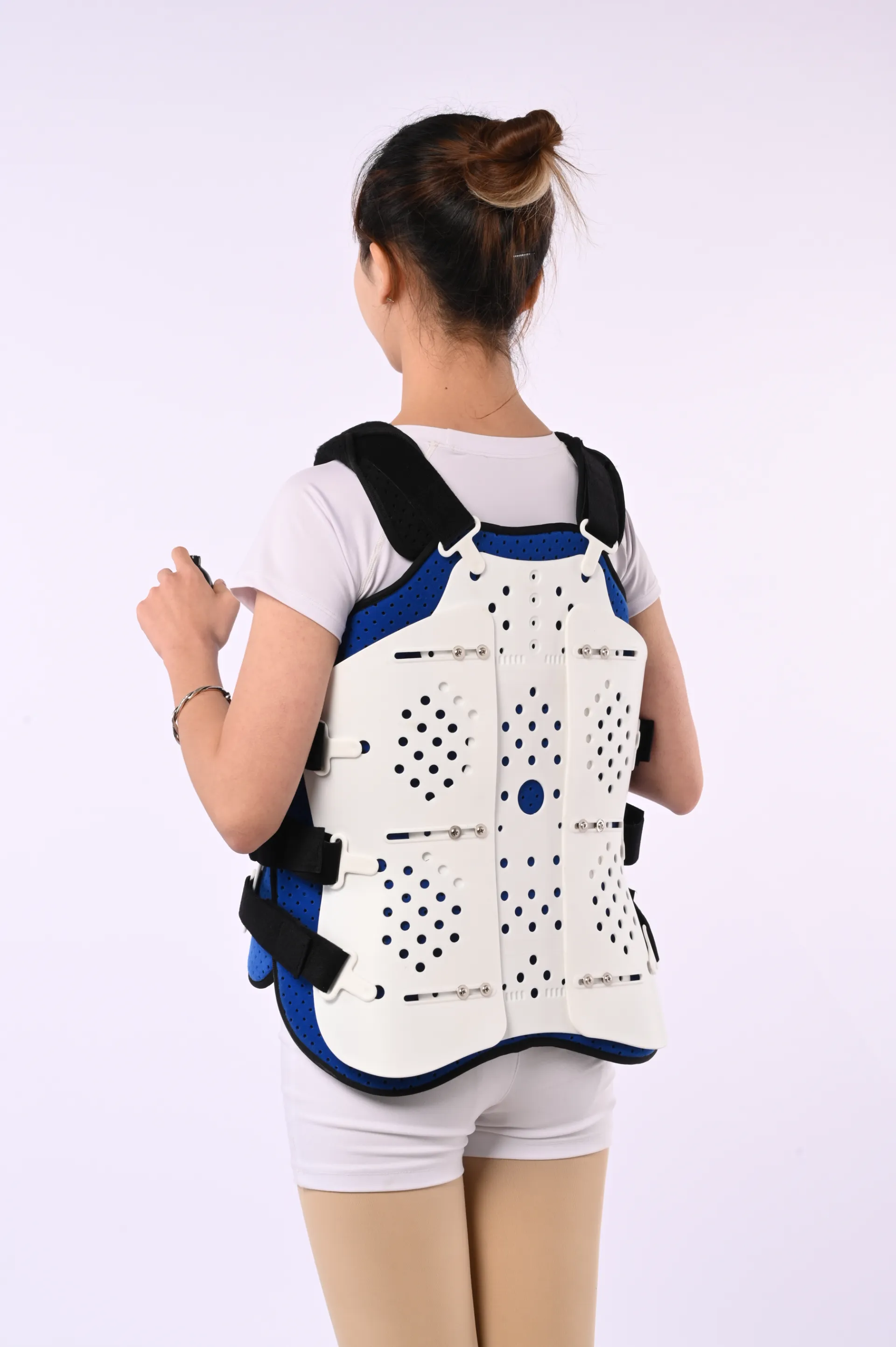
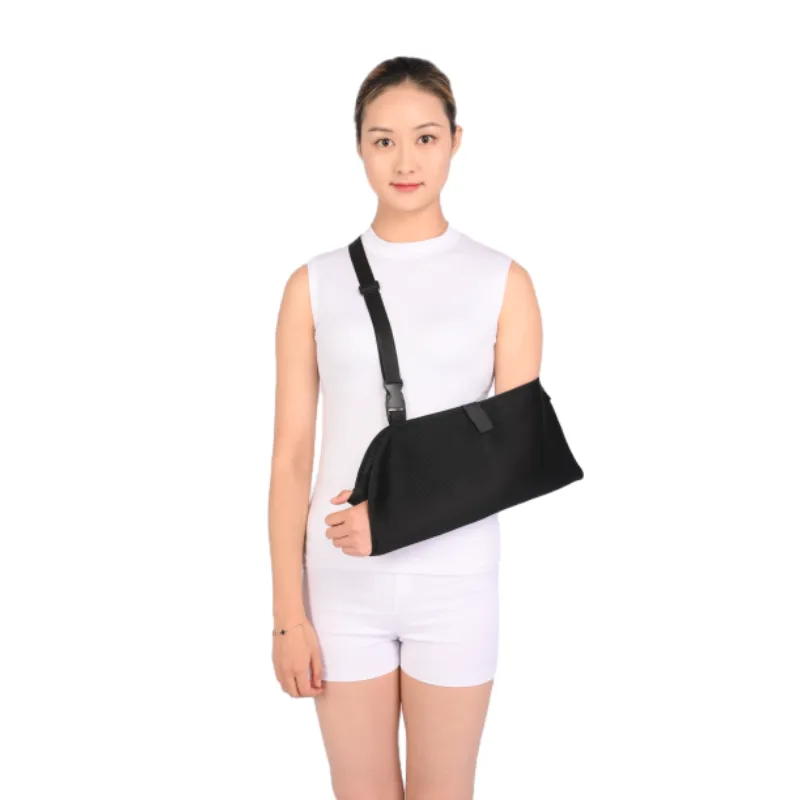
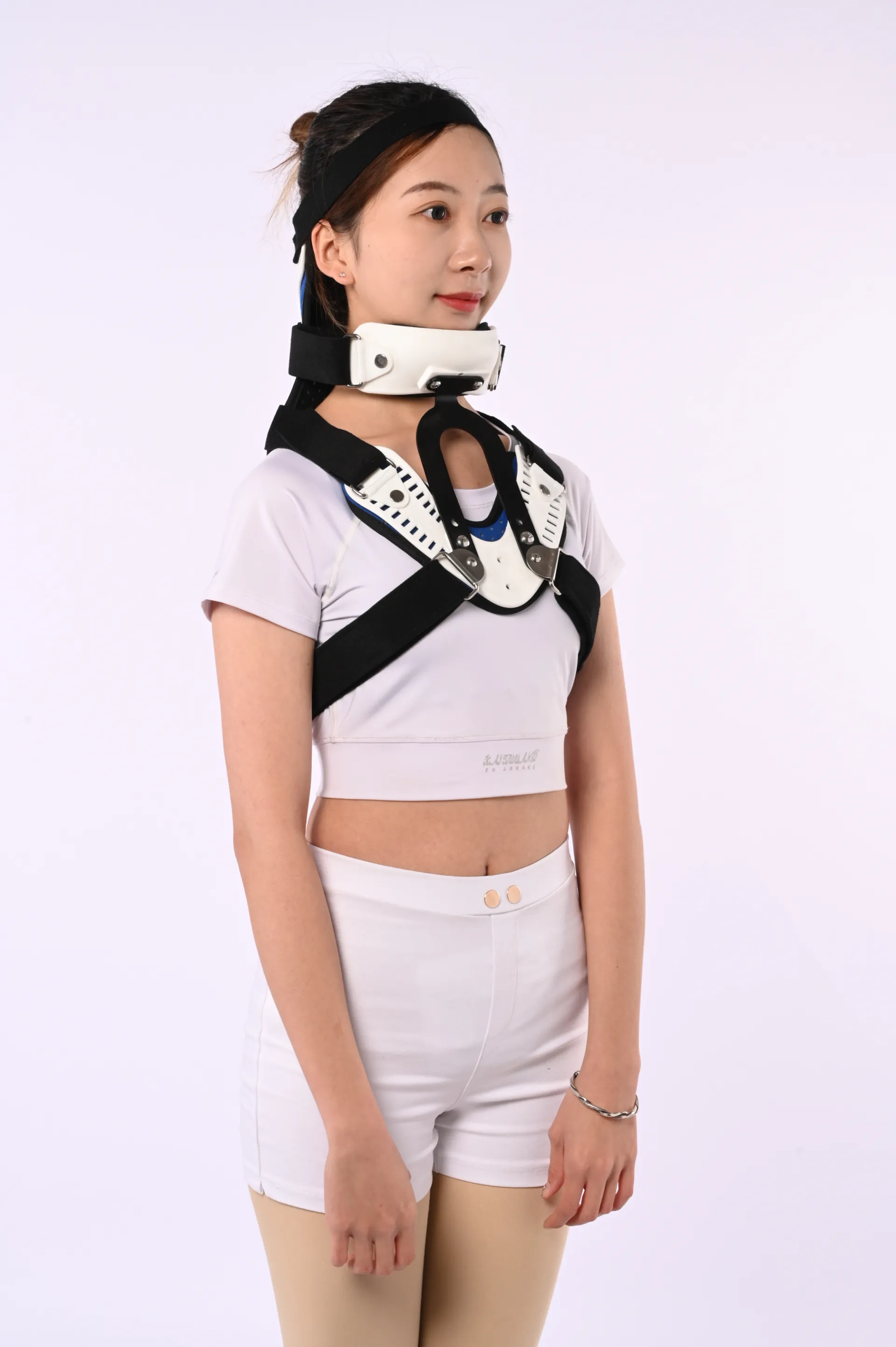
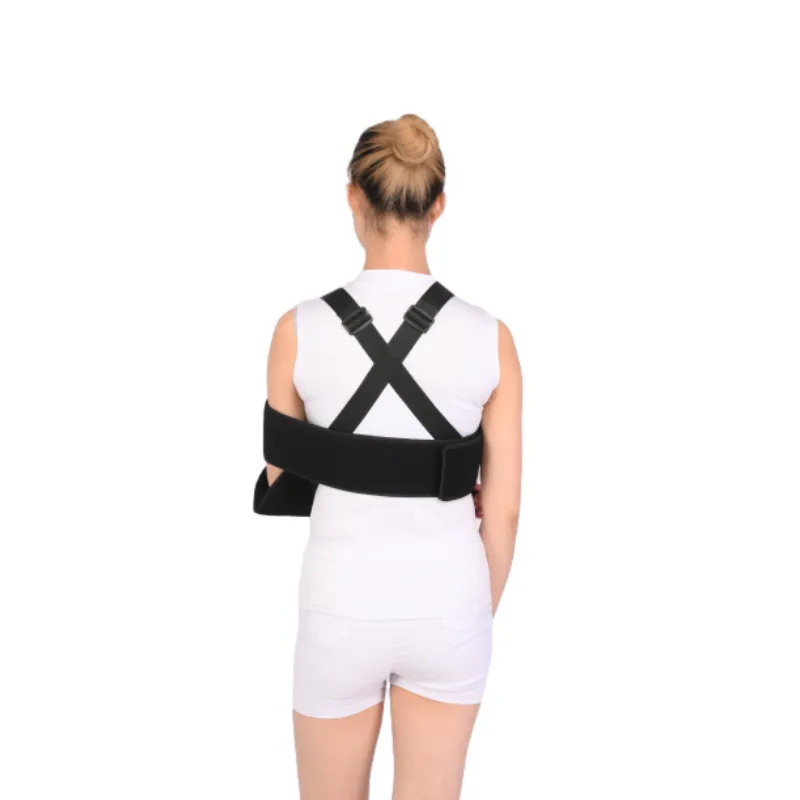
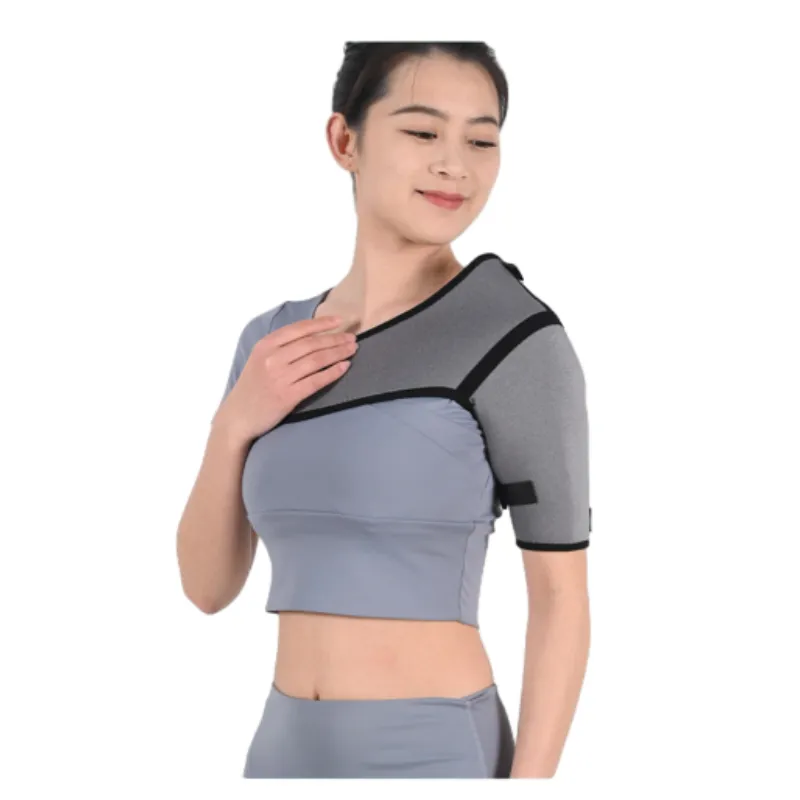

shoulder brace price
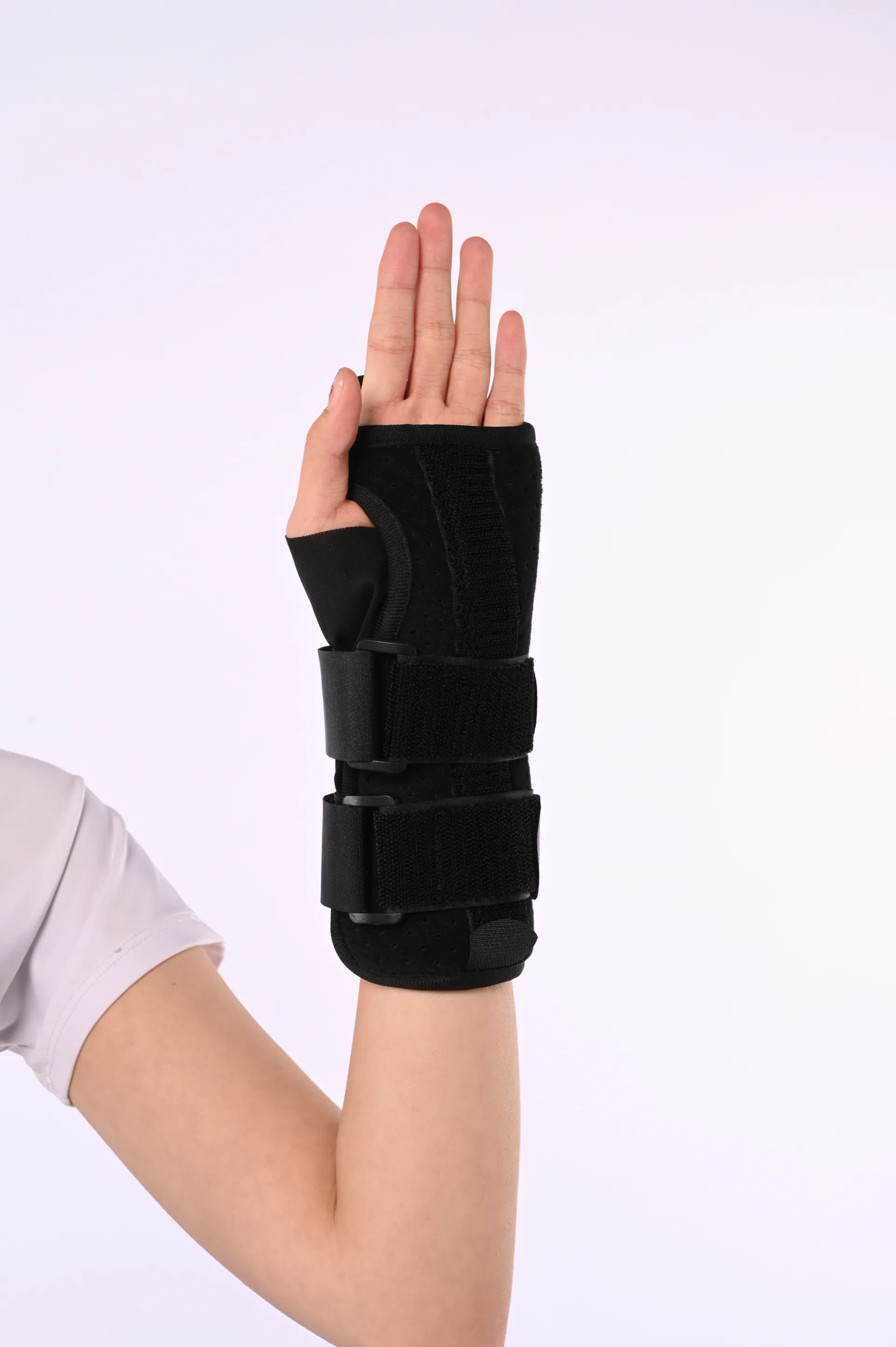
What to Know Before You Buy a neck shoulder support To be honest, the market moved fast. A few years ago, braces were sweaty neoprene wraps. Now we’re seeing breathable laminates, smarter strap geometries, and stricter testing. I’ve toured workshops from Hebei to Hamburg; the best gear blends medical-grade materials with athlete-informed ergonomics. Product in Focus: Shoulder and Arm Brace (JH Orthopedic, Hebei, China) Origin: No.240 Xingying West Street, Anping County, Hebei Province, China. It’s designed for shoulder pain, instability, inflammation, and post-injury support—popular with athletes and, surprisingly, desk workers who’ve cranked the laptop life a bit too long. Many customers say the adjustable compression feels secure without pinching. Spec Detail (≈ real-world use may vary) Materials Breathable neoprene/nylon/elastane laminate; air-mesh panels; hook-and-loop (low-noise) closures Reinforcement Optional polymer stays; edge binding to reduce chafe Compression Range ≈10–25 mmHg adjustable via cross-strap Sizing S–XL (unisex), left/right configurable; universal sling compatibility Service Life ≈12–24 months daily use; 5,000+ fastening cycles tested Care Hand wash cold; air dry Compliance (typ.) Manufactured under ISO 13485 QMS; CE/MDR-ready paperwork on request Where it’s used (and why it works) Rotator cuff irritation, AC joint sprains, labrum issues, mild instability, overuse from swimming or overhead lifting. Office folks use it for posture cues, drivers for long-haul support, warehouse pickers for shift-long stability. For cold therapy, there’s room to add a small gel pack pocket (custom option). Process flow and testing (short version) Materials: medical-grade laminates and low-irritation bindings. Cutting & sewing: CNC cut; flatlock seams; bartack at stress points; heat-bonded tabs. Quality tests: tensile per ASTM D412; peel strength of hook-and-loop per ASTM D903; biocompatibility screening to ISO 10993-5/-10; wash durability EN ISO 6330-style routines. Documentation: ISO 13485 traceability; CE/MDR tech file support; US customers often request FDA device listing details. Measured performance (factory lab, typical) Tensile (laminate): ≈10–14 MPa; hook-and-loop peel: ≥1.5 N/mm; air-mesh breathability feels notably cooler in humid gyms. Users mention less “slip” during kettlebell work—anecdotally, but consistent in feedback. Vendor comparison (quick take) Vendor Certs/Docs Lead Time Customization Price Band JH Orthopedic ISO 13485; CE/MDR file prep; ISO 10993 data ≈15–30 days Logo, colorways, gel pocket, sizing runs Mid Marketplace Brand Basic CoC; limited test data Fast stock Minimal Low Boutique Sports Label Strong clinical marketing; selective tests ≈30–60 days High (MOQs apply) High Customization and industry use Teams want team colors and heat-seal logos; clinics prefer barcode-ready sterile pouches; e‑commerce asks for frustration-free packs. Industries: sports medicine, physio chains, occupational health, and, increasingly, remote-work wellness programs. Field notes (mini case) In a month-long pilot at a regional warehouse, supervisors reported fewer “arm-off” moments mid‑shift and better perceived stability on overhead picks—informal feedback, but it tracks with what I hear elsewhere. It seems that consistent, adjustable compression beats one-size elastic sleeves. If you need a neck shoulder support that won’t swamp you in sweat, watch for breathable laminates and real test reports. For clinical channels, ask for ISO 13485 evidence, ISO 10993 biocompatibility, and CE/MDR documentation. For gyms and teams, focus on strap geometry and peel strength so it stays put during rotation. Final tip: sizing and strap routing matter more than people think. Try it, move through overhead arcs, then tweak tension. Actually, that’s the difference between a drawer relic and a daily helper. Authoritative references ISO 13485: Medical devices—Quality management systems. https://www.iso.org/standard/59752.html ISO 10993-5/-10: Biological evaluation of medical devices. https://www.iso.org/standard/68936.html EU MDR 2017/745: Medical Device Regulation. https://health.ec.europa.eu/medical-devices-sector/new-regulations_en ASTM D412: Tension testing of elastomers. https://www.astm.org/d0412-16.html ASTM D903: Peel or stripping strength of adhesives. https://www.astm.org/d0903-98r17.html EN ISO 6330: Domestic washing and drying procedures. https://www.iso.org/standard/66121.html Note: Model-specific documents and regulatory status vary by market; verify current files before clinical deployment. For everyday fitness use, a neck shoulder support is not a substitute for medical diagnosis.
Why Choose Us



Read
Our
Blog
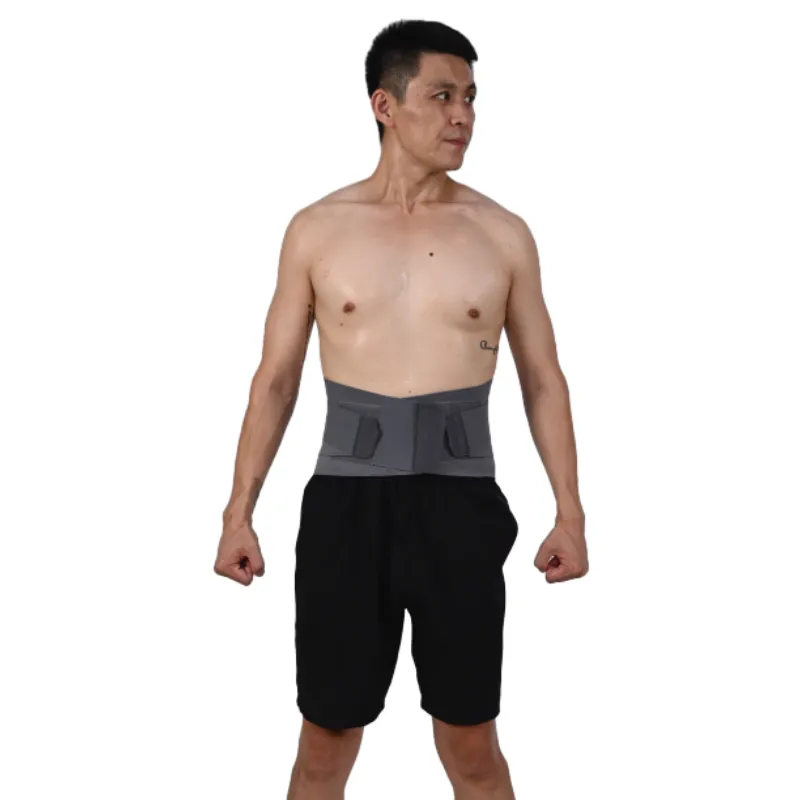
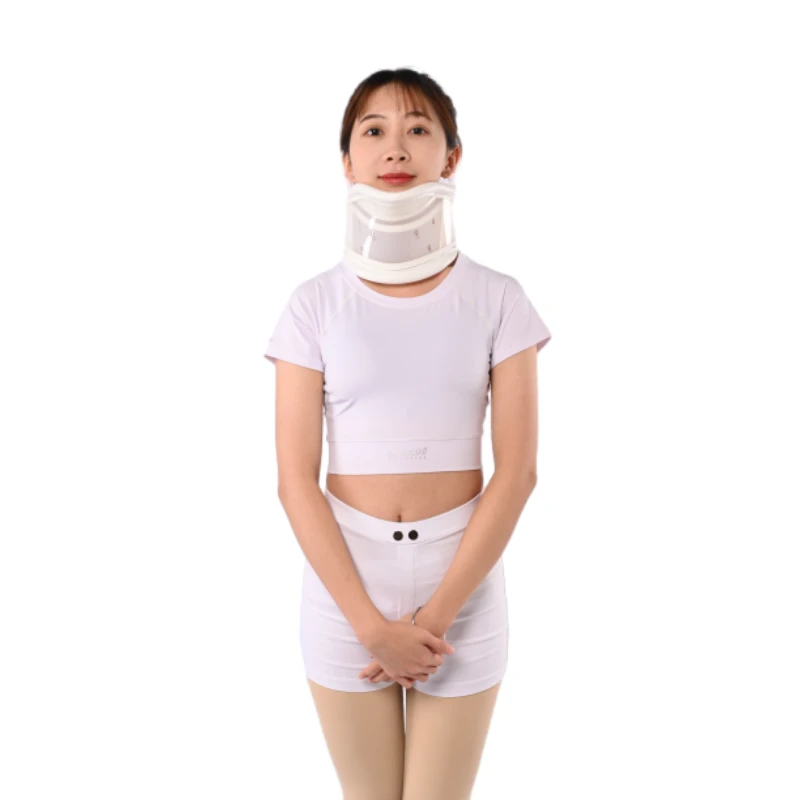

No.240 Xingying West Street,Anping County,Hebei Province,China


Have a question? Keep in touch.


Copyright © 2025 Hebei
Jianhang
Technology
Co.,Ltd.
All Rights Reserved. Privacy Policy


